How to love a city (for you, Oshawa)
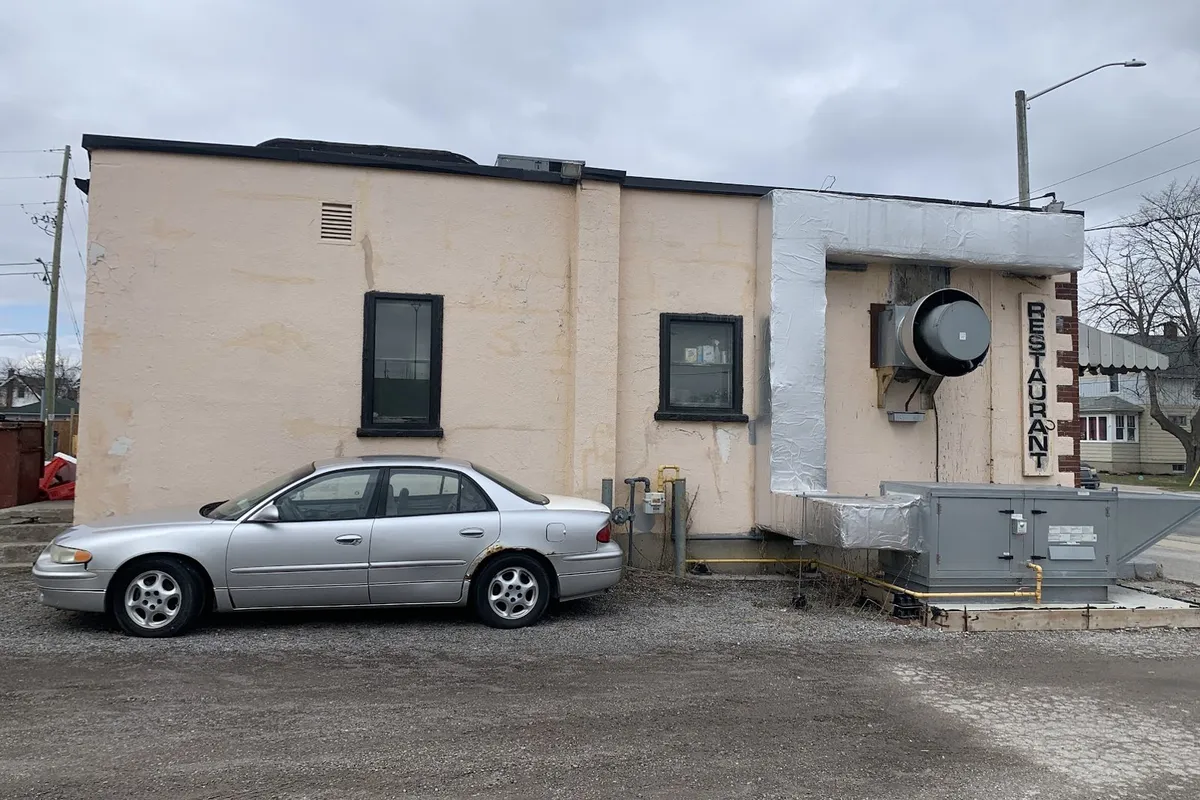 Forum Drive-In Restaurant, South-End Oshawa
Do you need to leave your hometown to love it? Are some hometowns just objectively shittier than others? My hometown of Oshawa, Ontario, has left me with some thoughts on all of this.
I grew up in Oshawa in the early 2000s and spent my angsty teenage years in a suburban daze in the city's north end. My days were spent skateboarding in parking lots, loitering in McDonald's and Tim Hortons late at night, and getting into the kind of shenanigans typical of kids with little supervision (climbing buildings, drinking in basements, and occasionally throwing snowballs at cars). It was a Greater Toronto Area lifestyle, and at the time it felt stifling rather than uplifting.
Growing up, I didn't think much about what to do in Oshawa. Instead, I complained about how shitty it was and daydreamed about how to leave. My friends all said the same thing, telling each other about what life will be like when we move on. True joy was something found in Toronto or beyond, not something waiting in downtown Oshawa.
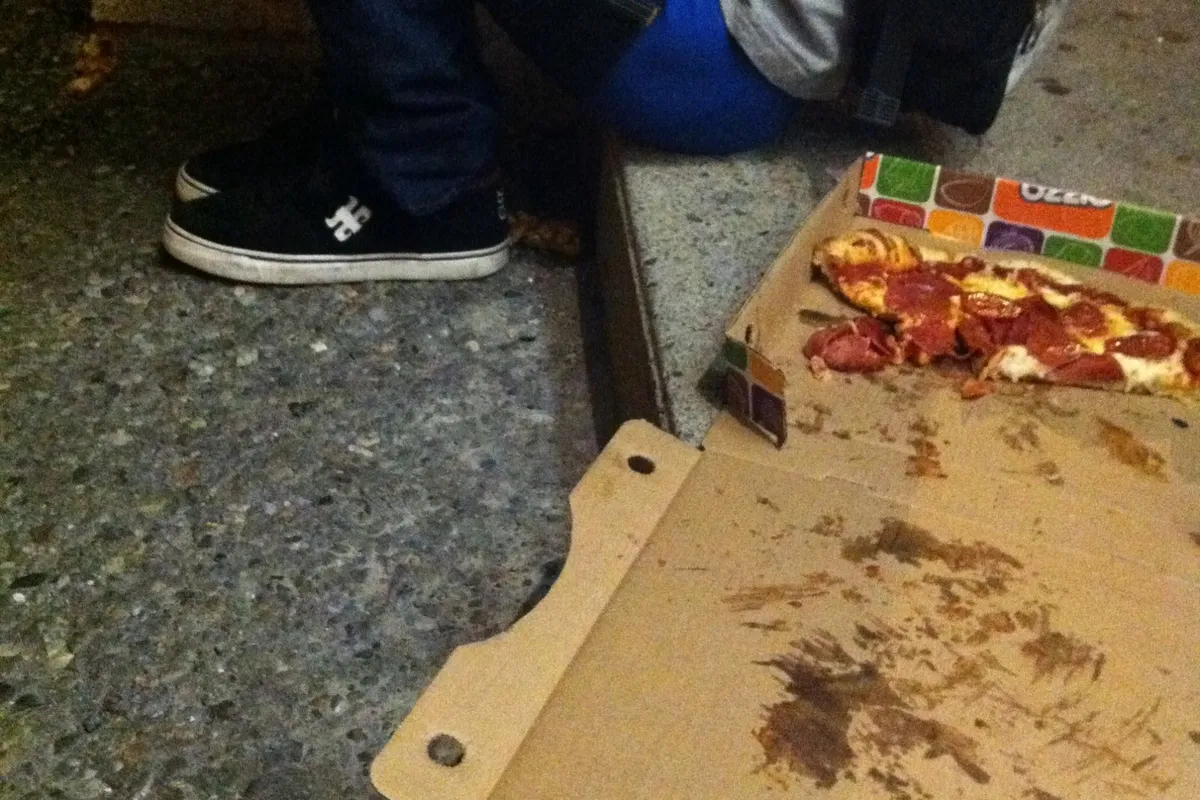 So many nights spent like this as a teen
This mindset becomes a self-fulfilling prophecy, though. The people who want to do more with their lives leave their hometowns and branch out to other places, where they then open their hearts and explore new things. It makes you believe the better world is out there, rather than something you create together wherever you are. Easier said than done, of course, so I did exactly that and got the fuck out.
I was 19 when I left. After staying an extra year in high school to build up my credits (aka "grade 13"..aka "victory lap"), I headed to Ottawa for university. Ottawa was a city I only visited once or twice, but it felt like a "big city" in all the ways I had dreamed of, so I jumped at the opportunity to leave.
Some people describe Ottawa as sleepy, but coming from Oshawa, it was anything but sleepy. I quickly fell in love with it. I spent my days exploring the city by bike and bus, touring its bookshops, beaches, and breweries. I started hanging out in independent cafés, trying drinks like "lattes" and "IPAs," and indulging in Vietnamese pho, arthouse cinema, and late-night skates on the Rideau Canal. I was becoming what my friends in Oshawa would call a hipster, developing a refined taste and a craving for novelty.
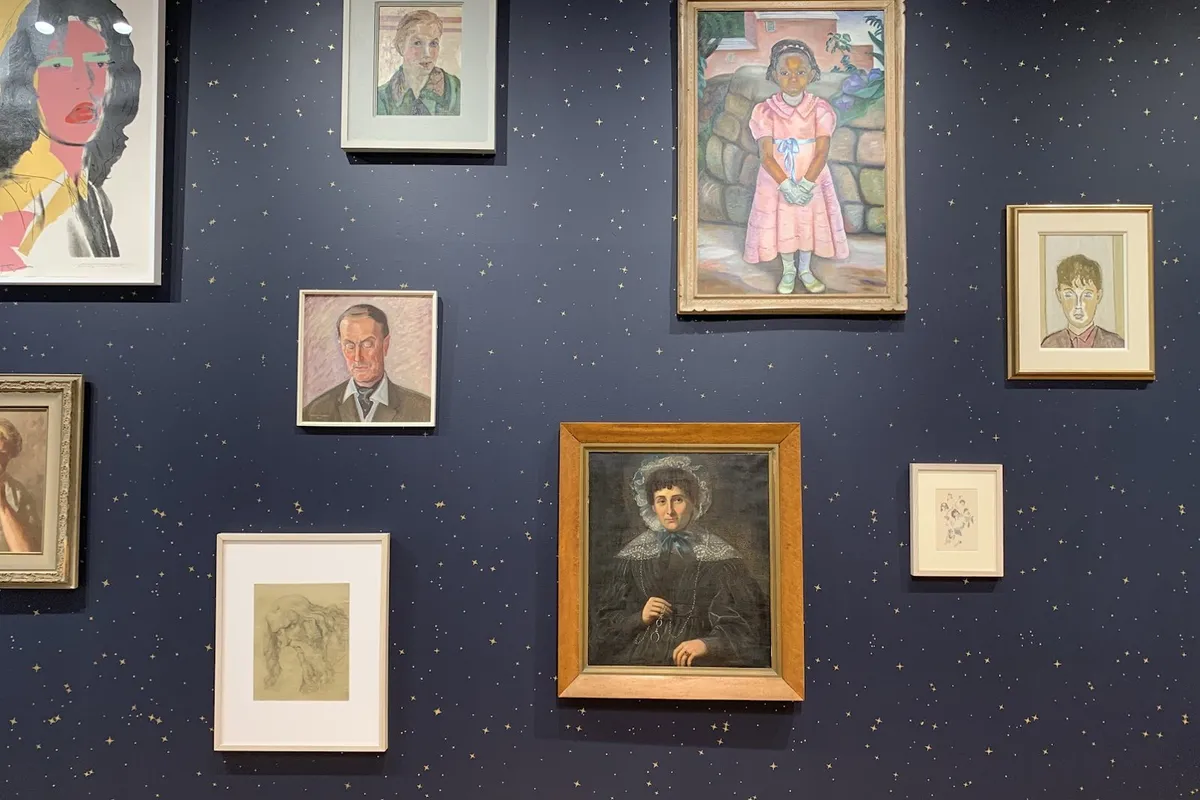 The Robert McLaughlin Gallery, downtown Oshawa
I was also becoming what academic folks would call an "urbanist": someone who finds joy in exploring the quirks of a city, and who looks at roads, sidewalks, and buildings the way other people look at trees, mountains, and rivers.
Looking back, I wonder whether this urbanist mindset came from Ottawa and its big-city feel, or whether, just maybe, it was instilled in me during my years in Oshawa and simply wasn't allowed to shine.
For example, taking the bus or commuting by bike was nowhere near as normal in Oshawa as it was in Ottawa. I remember meeting my friends' parents in Ottawa and learning that they took the bus to work, which seemed so odd to me. In Oshawa, someone who took the bus to their job would've prompted questions like "Do they have a DUI?" or "Are they too poor for a car?"
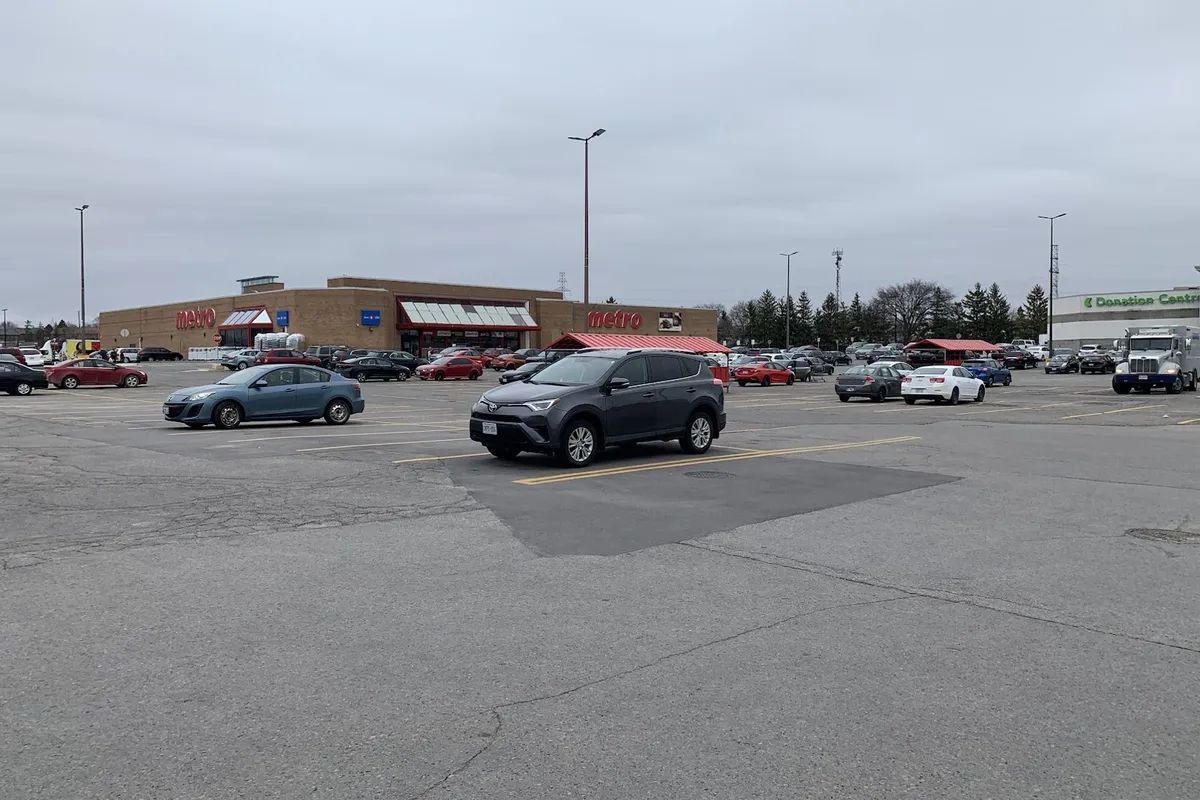 The remains of "5 Points Mall" in Oshawa's north end
This car-only mindset stops people from experiencing their city through other modes of transportation, and that stops them from seeing the other layers of life in their city. When you bike, the buildings, trees, and roads unroll at a different scale and speed than when you drive or walk. For cyclists, places that aren't really destinations, like a café in a nondescript part of town, become destinations: a target to ride to and a place to gather with others.
The same goes for public transit. I know that if I had only driven in Ottawa, I wouldn't have loved it the same way. It was on the bus that I bumped into classmates, and those shared rides home turned strangers into friends ("Hey! You're in Fletcher's ECON 101, right?"). It was also on the bus that my friends and I would pile on to get to the bars and pubs, laughing together as the driver of the 4 Bronson safely got us to and fro. The bus brought us closer together, but it also stretched out how far we would explore.
And then there's walking. Growing up in Oshawa, you didn't walk places. As a kid, I loved walking to the strip-mall shops near my house, like Shoppers Drug Mart or the Waltzing Weasel pub (what a gem!), but it wasn't something you did often or for more than 15 minutes. In Ottawa, I walked everywhere. My friends and I walked to get groceries, to campus, and to each other's houses. It felt safe to walk at night, and walking became a way to explore the city or simply pass the time. I even went on first dates where we just walked, which seemed wild to me at the time.
 While we did walk in Oshawa, this photo captures the essence of those late-night suburban strolls home
So when I returned to Oshawa over the next few years, usually on holiday breaks, I always came back with a renewed sense of curiosity. What was Oshawa actually like? Had I just been close-minded growing up, unaware of all the joys a city has to offer?
Sadly, I always left disappointed.
I wanted to go for walks or bike places, but everything felt far apart and hostile. I wanted to hang out downtown, but it was never as lively, diverse, or safe as Ottawa. It felt like I was forcing my lifestyle onto a city that didn't want it (or me), where people would rather drive to Costco and Tim Hortons than walk around downtown or sit in an independent café.
Around this time, most of my family and friends also began moving away from Oshawa. They all had different reasons, but interestingly, it all happened within a few years. Perhaps the real estate boom of the mid-to-late 2010s gave legacy families a chance to cash out. My friends' parents and my family moved north and east into the countryside, while many of my friends moved to Toronto, B.C., or Alberta. With barely any family or friends left in the city, I quickly lost any reason to go back to Oshawa, aside from the odd stop for gas along the 401. However, I always kept it in my mind.
I stayed in Ottawa for a few years and, after some time living abroad, eventually moved to Toronto. There, I started a graduate degree in urban planning, which, as you can imagine, led me to new friends who were just as nerdy about urbanism as I was. In my first week of class, someone asked me what my favourite Toronto bus route was. I was enamoured!
With these new classmates, I entered what I'd call my second wave of urbanism. Together, we explored all over Toronto, from Kensington Market to East Chinatown to the Beaches. Then we went further, exploring North York Centre, Weston Village, Pacific Mall, Mississauga, and Brampton. Then we went further, venturing into entirely different cities like Hamilton, Buffalo, Rochester, Pittsburgh, and Detroit: places that felt similar to home, but also ever so different.
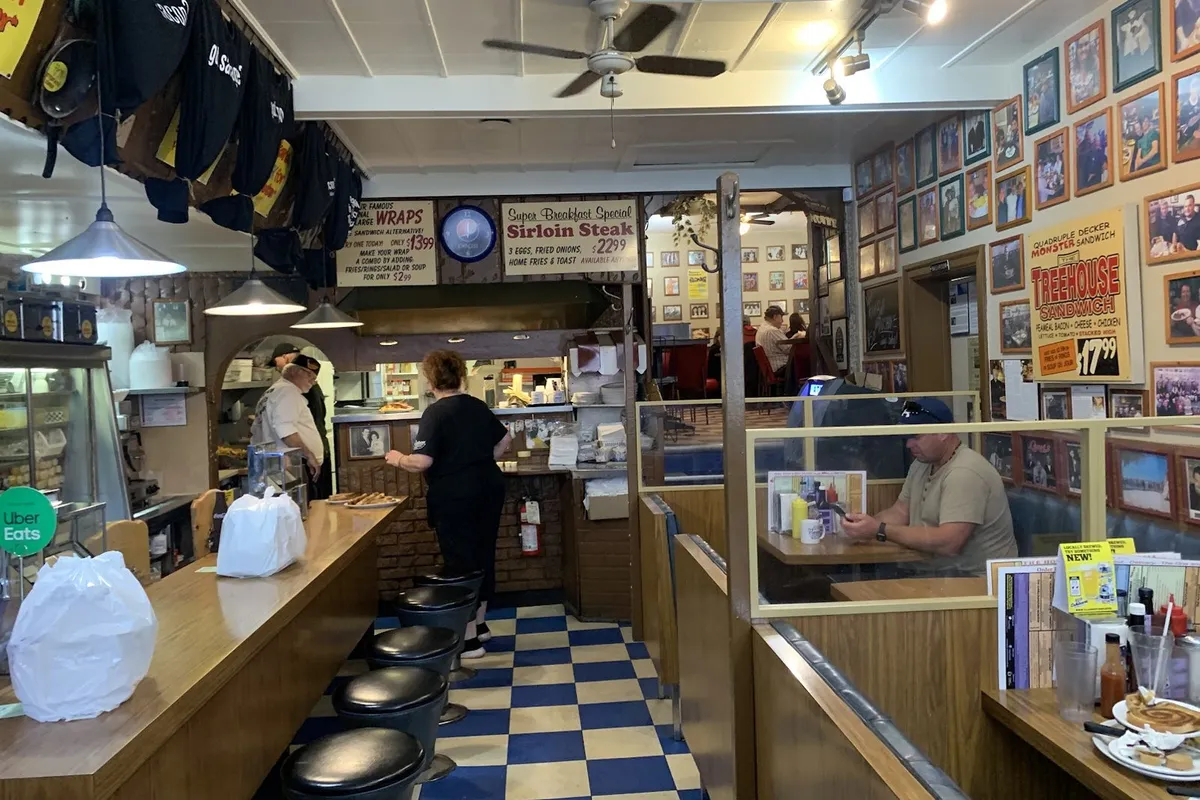 One of my favourite diners, Rainbow Restaurant, downtown Oshawa
Through these trips, I slowly realized I shouldn't impose my sense of beauty (or joy, or way of living) onto a city. Instead, I should simply see the beauty of a city as it is. In Detroit and Buffalo, but also in Mississauga and Brampton, I learned that not every place needs to be somewhere you'd want to live. In fact, it can be more enjoyable to visit places that challenge you, make you feel strange, and sometimes even bother you.
Los Angeles is a good example of detaching your own desires from your experience of a place. In my heyday as a cyclist, I mocked LA for its car dependency (even though the GTA is no better in some ways). I proudly declared it one of the last places I'd want to visit; I was more interested in the cycling havens of Scandinavia or public transit-dominated Asia. But when I finally made it to LA, I was blown away by the scale and beauty of the city, especially its road network. LA is a city made up of cities. Venice Beach, Los Feliz, and Koreatown feel like different parts of a country, let alone a city, and the car is how you navigate them.
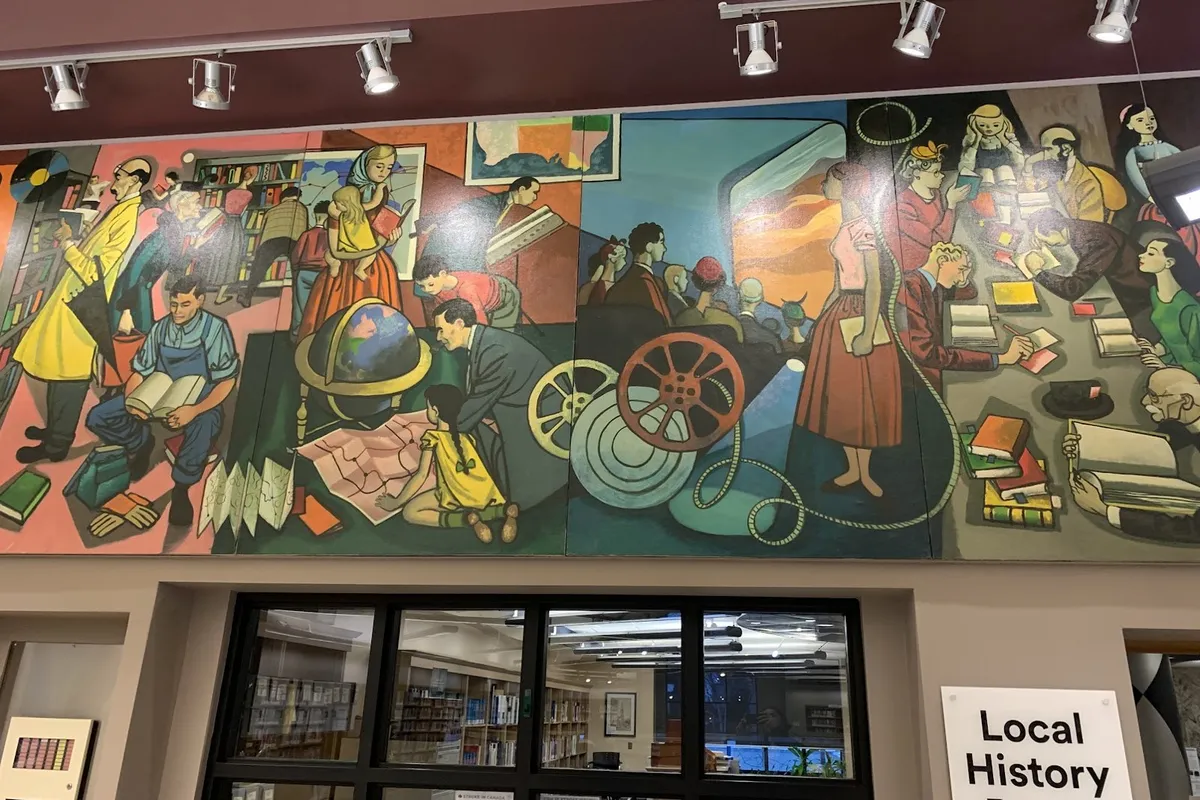 Oshawa culture, the McLaughlin Branch of Oshawa Public Libraries
All of this is to say that once you let go of how you think a city ought to be, you're free to appreciate it for what it is. With that mindset, I returned to Oshawa once again in late 2025, ready to finally be open to it.
Did I fall in love with the city this time? Not exactly, but I saw it in a way I hadn't before. It was just what it was: a rough-around-the-edges, blue-collar, suburban town on the fringes of the GTA with its own heartbeat.
With some friends and a car to our name, we explored the city, cruising along the waterfront, through downtown, and up and down its two central spines, Ritson and Simcoe. It felt great to be home, and it was fun to watch my friends get curious. We visited the Robert McLaughlin Gallery (which is so good, right?!), took a nap in the library next door (until security woke us up), and ate at a couple of classics, Teddy's Deli and the Rainbow Restaurant. We caught some live music downtown and laughed it up at a janky (yet lovely) local pub, Atria Bar. In the end, I didn't want to change it Oshawa at all. I just wanted to enjoy it for what it was.
So, do I plan to move back to Oshawa? No, definitely not.
Do I still think it's a shittier hometown than where my other friends are from? Yes, likely, but, this doesn't matter.
What matters is that Oshawa has its own beauty, which was something that took me years to understand. I can say now, I'm smitten.
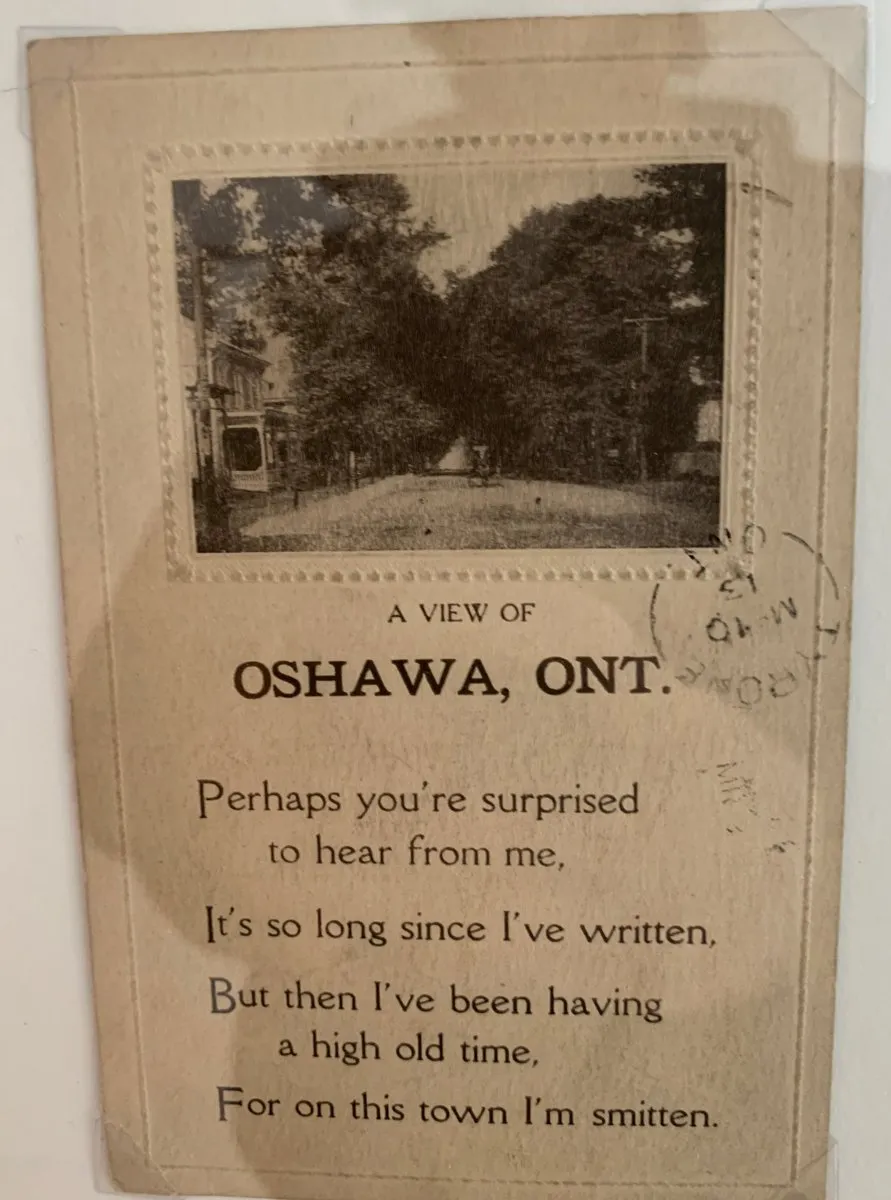 An old advertisement for Oshawa tourism located in The Robert McLaughlin Gallery
I'll be back!